
Managing Seasonal Allergies During Early Spring
March 31, 2026
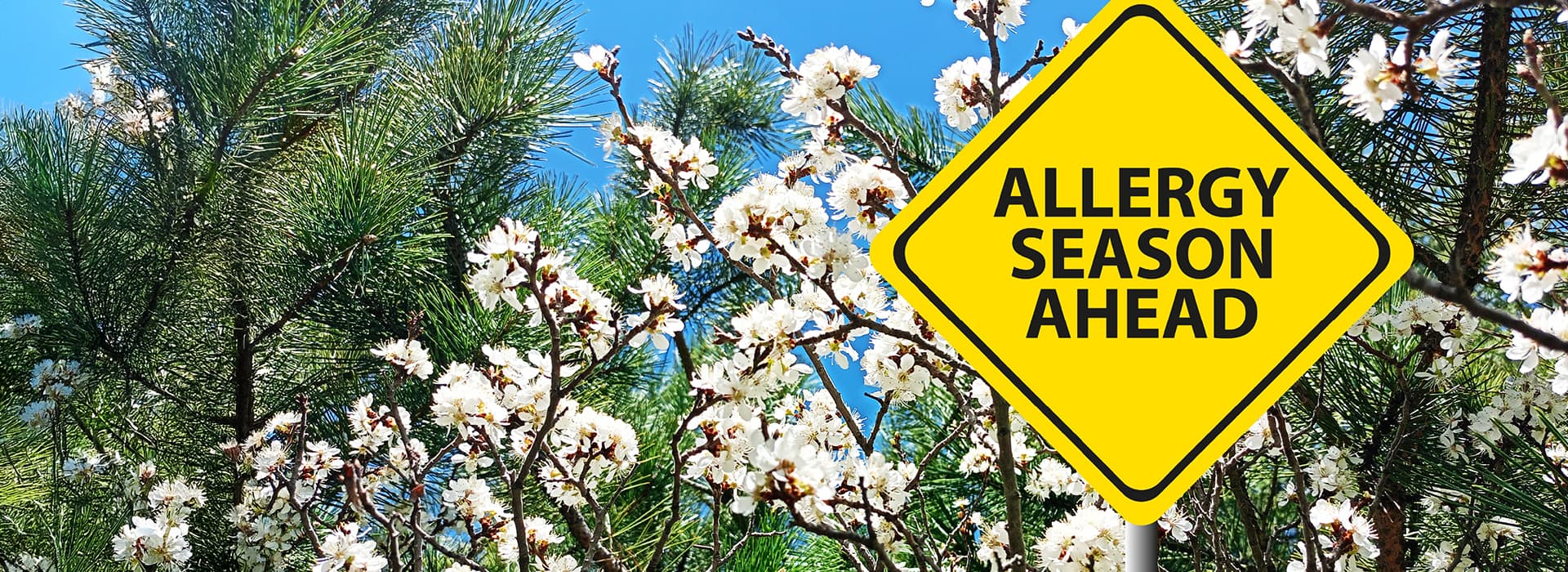
Seasonal allergies often intensify in early spring as trees begin releasing pollen with the first rise in temperature. Early‑blooming trees such as palms and acacia release significant amounts of pollen, which can trigger sneezing, congestion, itchy eyes, coughing and fatigue. Because pollen levels can rise quickly at the start of the season, preparing early helps reduce symptoms.
Early‑Spring Triggers and Why Symptoms Increase
Tree pollen is the main cause of early‑spring allergies. Warmer days signal trees to pollinate, and windy conditions spread pollen over long distances. Symptoms often worsen in the morning, when pollen counts are naturally higher. People with asthma may also experience more coughing or wheezing during this period, as pollen can irritate sensitive airways.
Reducing Exposure to Pollen
Limiting contact with pollen is one of the most effective ways to prevent symptoms from worsening.
- Monitor pollen forecasts and plan outdoor activities for times when levels are lower, usually later in the day.
- Keep windows closed at home and in the car to prevent pollen from drifting indoors.
- Use air conditioning with clean filters to maintain better indoor air quality.
- Shower and change clothes after being outdoors, since pollen clings to hair, skin and fabric.
- Wash bedding frequently, especially pillowcases, to reduce nighttime exposure.
- Wear sunglasses outdoors to protect your eyes from airborne pollen.
Managing Symptoms When They Appear
Several approaches can help ease discomfort during peak pollen days.
- Antihistamines can reduce sneezing and itching.
- Nasal steroid sprays help relieve congestion and work best when used consistently.
- Saline rinses clear pollen from nasal passages and reduce irritation.
- Adequate hydration and sleep support the immune system and help the body respond better to allergens.
When Allergies Affect Breathing
People with asthma may notice more coughing, wheezing or chest tightness during early spring. Keeping asthma well-controlled reduces the risk of flare‑ups triggered by pollen.
When to Seek Medical Advice
If symptoms persist, interfere with daily activities or do not improve with over‑the‑counter treatments, a healthcare professional can help. Allergy testing may identify specific triggers, and long‑term treatments such as immunotherapy can reduce sensitivity over time.
Understanding how early‑spring pollen behaves and taking preventive steps can make the season more manageable and help reduce the impact of allergy symptoms.