
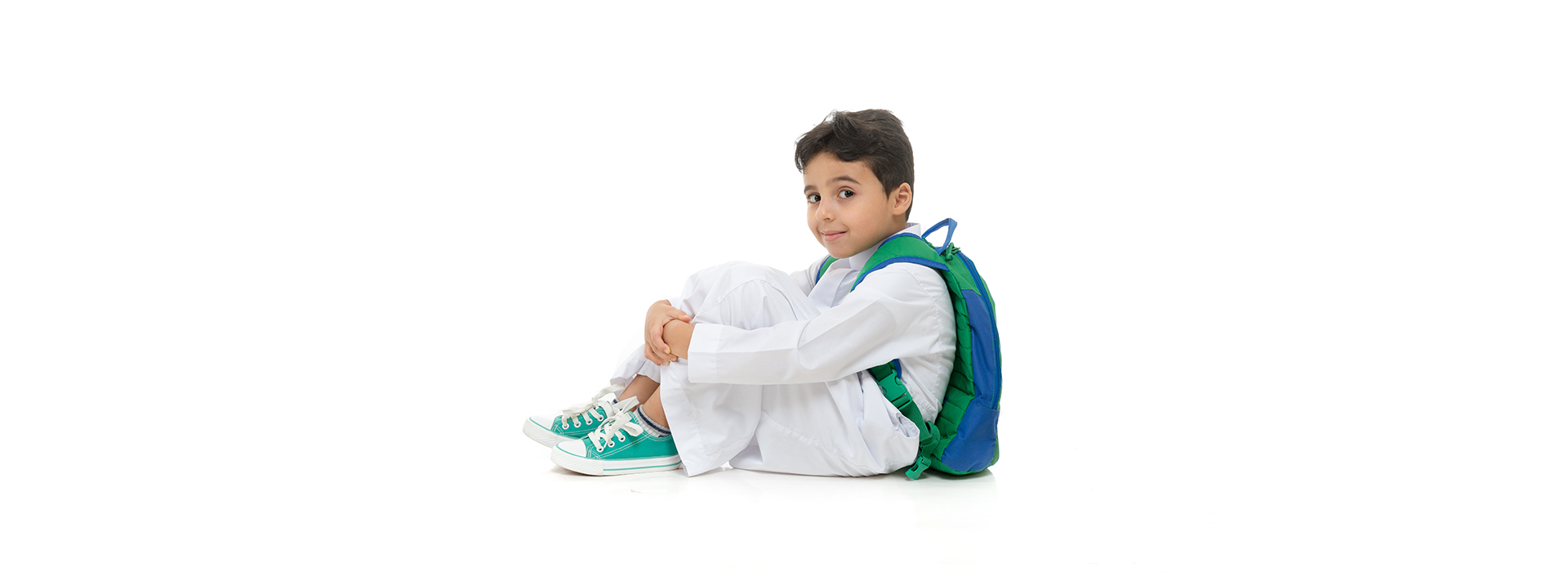
Smooth Return to School
January 19, 2022
After being away for almost two years, going back to school in person can be stressful for parents, students, and teachers. However, this is very understandable due to the return to school circumstances.
Parents need to remember that children mirror their parents’ feelings and behaviors. If parents are worried or act and talk negatively about returning to school, so will their children. Therefore, parents need to be watchful of their language and attitude toward the idea of returning to school. Remember that your child needs reassurance and guidance.
According to Dr. Amel Alawami, Developmental Behavioral Pediatrician at JHAH, the three pillars to start with for your child’s smooth return to physical attendance in schools are:
Sleep: Gradually returning to normal sleep schedule.
Buying school supplies: Involving children in buying and choosing stationery, uniforms, water bottles, etc.
Staying safe: Emphasizing the importance of hand hygiene, physical distancing and wearing a face mask.
General recommendation
- Going back to school means going back to routine. It is recommended to establish a back-to-school routine early on. Start by adjusting your child’s sleep time by advancing it earlier by 1-2 hours every night to ensure that the children will wake up refreshed in the morning and have enough sleep hours. Then adjust their time to wake up, have favorite breakfast, study, play and set regular bedtime rituals. Try always to add fun to the whole process.
- Continue to encourage a positive attitude from your children towards school.
- Involve the child in buying school stationery, uniform, new water bottle, lunch bag, etc.
- Help them choose new masks with preferred prints and characters (disposable or washable and make sure you pack extra masks in the backpack).
- Buy sanitizers, wipes, sprays and help your child put their initials on them.
- Teach your child hygienic measures and courtesy when sneezing or coughing and practice that at home.
- Practice physical distancing, which means staying away from other students by 1-2 meters.
- Build a habit of hand sanitizing after touching surfaces (be careful to be modest in your instructions so you don’t scare the child, which may provoke obsession with cleanliness and fear of germs).
- Promise them incentives when they follow instructions. These can be small daily incentives or big ones on the weekend.
- Praise them whenever they follow your instructions.
- Kids need to know that there will be time to play and watch their favorite show when they come back from school.
Be Positive and Enthusiastic
As humans, we can be fearful and grateful at the same time. All feelings are valid, true, and accurate. Kids may be uncertain, fearful and angry at the same time. Be positive and enthusiastic about going back to school in person, acknowledging their emotions, and validating their feelings simultaneously. Talk positively about what great things they will learn and the new friends they will meet. Tell them that the teachers are eager to know how wonderful they are in person. Use social stories and animated videos to prepare the children to go back to school. It is ok if they start crying in the first few weeks (like going to school for the first time). In this case, remain calm and positive and continue sending them to school. Being positive does not mean that you are in denial and don’t know what is going on around you.
As a parent, you need to know that some children may resist going back to school as they don’t like change. Also, they were comfortable in the previous “new norm,” which is attending online schooling. So be there to answer their questions, be patient and supportive, stay positive and don’t push them. But, at the same time, be firm around the idea of going back to school but include kindness and empathy.
Behavioral Changes
Be aware that some behavioral changes due to stress indicate that the child is struggling. Some signals can be physical pain like headache or stomach ache, excessive worrying, sadness, fear, distraction, and lack of concentration. In these cases, you may need to ask your pediatrician for help. Also, if you think the child is resisting returning to school and you cannot convince them, talk to a school counselor who may help ease the process.
We are in this together; we are stronger together.
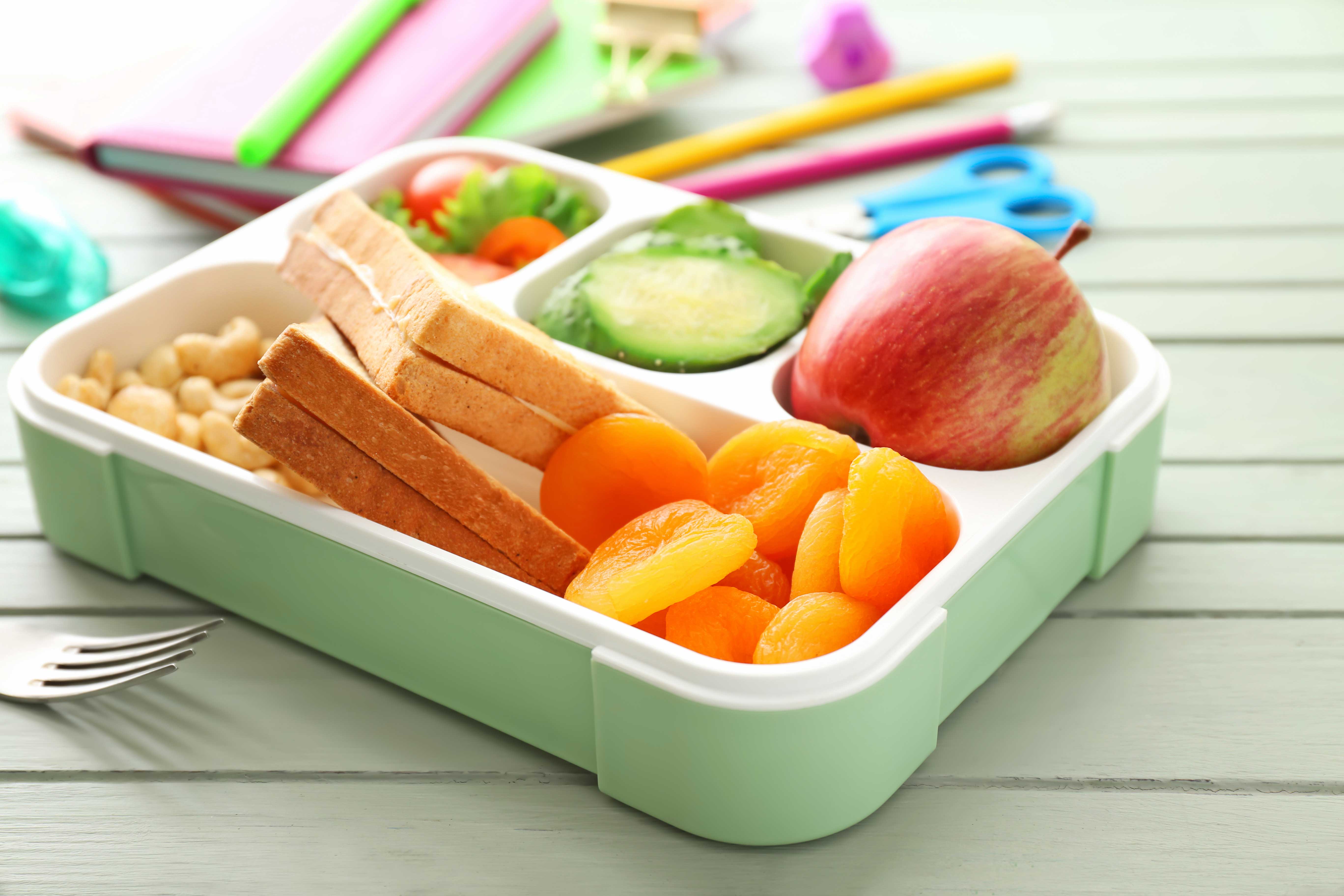
Encourage Children to Eat Fruits & Vegetables
March 20, 2024
JHAH Clinical Nutrition is here to help with some practical and creative tips to serve fruits and vegetables to children
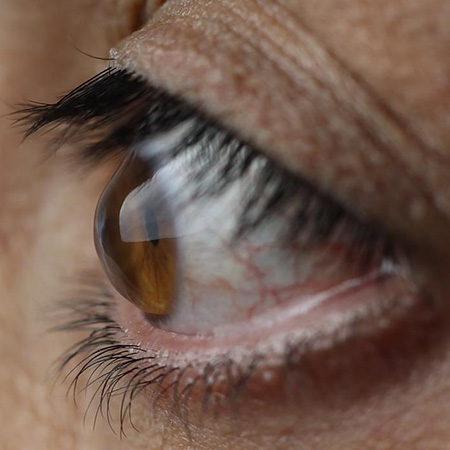
Keratoconus diseases
June 09, 2022
Keratoconus is an eye disease that affects the Cornea, the clear transparent part of the eye. This disease causes progressive thinning and protrusion of the cornea giving it a conical shape.
Your Child’s First Week Back
August 20, 2023
JHAH offers a few tips to help reduce the stress associated with returning to school so your children are healthy and prepared
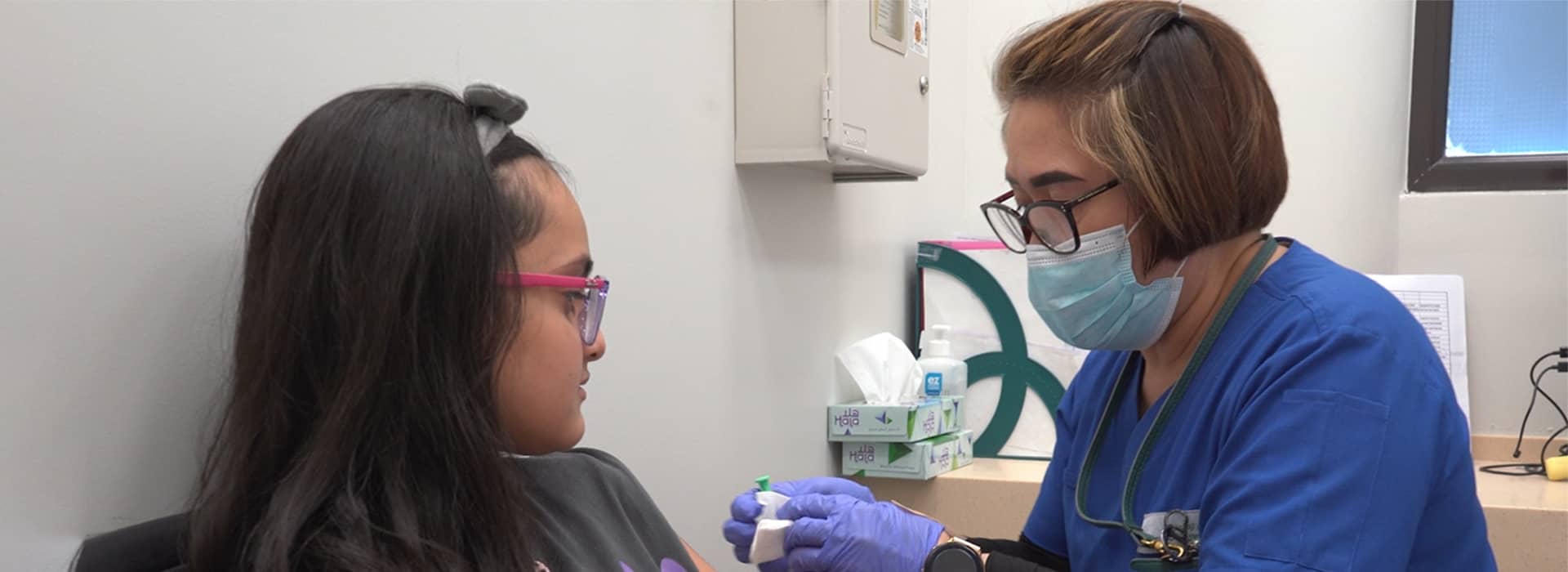
The JHAH Human Papillomavirus (HPV) Vaccination Campaign
August 20, 2023
JHAH is conducting a Human Papillomavirus (HPV) vaccination campaign to encourage everyone to get their children vaccinated
Immunizations
May 01, 2025
Through immunizations, we are able to protect our families from infectious disease. Find out more about our recommended child vaccination schedule at JHAH

A Child Can Enjoy Childhood, Another JHAH First
September 12, 2024
A groundbreaking medication brings elevated cholesterol levels back to normal.

Internet Safety Tips for Kids in Cyberspace
December 17, 2024
Help children stay safe online by teaching privacy, secure settings, and cyberbullying awareness

Strengthening children's muscles
December 26, 2024
Explore how children's exercise programs focus on neurological adaptation and muscle learning rather than muscle size alone
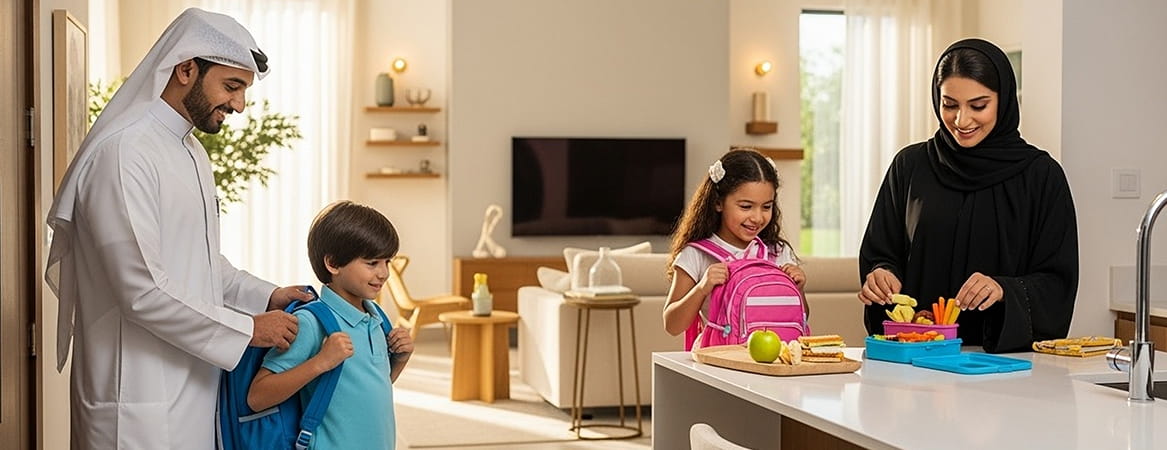
Healthy and Fun Lunchbox Ideas for Kids
September 30, 2025
Give your kids the energy boosts they need with colorful, balanced lunchbox ideas that stay fresh until lunchtime.

Helping Children Adjust in the First Weeks of School
September 21, 2025
Starting school can be emotional for kids and parents. Learn simple ways to ease anxiety, build steady routines, and make the first weeks a positive experience
Working Together for a Healthy School Year: Hygiene Tips for Kids, Parents, and Teachers
October 01, 2025
Keeping kids healthy is a team effort. Explore fun, practical ways for parents and teachers to teach good hygiene, reduce sick days, and keep classrooms thriving
Protecting Children from Sun and Heat at School
September 21, 2025
Help your child stay cool and safe at school with easy sun protection, hydration tips, and guidance for healthy outdoor play

School Bus Safety Practices
September 25, 2025
Safe bus rides start with parents. Learn easy rules and reminders to keep kids safe, confident, and stress-free on every school journey

Study Tips for Kids: Reducing Stress and Boosting Confidence
September 24, 2025
Make homework stress-free with simple study routines, fun habits, and confidence hacks that keep kids motivated to learn.

School Bedtime Tips for Kids: Better Sleep, Better Learning
September 29, 2025
Make school mornings smoother with simple sleep tips that build healthy routines, calmer evenings, and better focus for kids.