
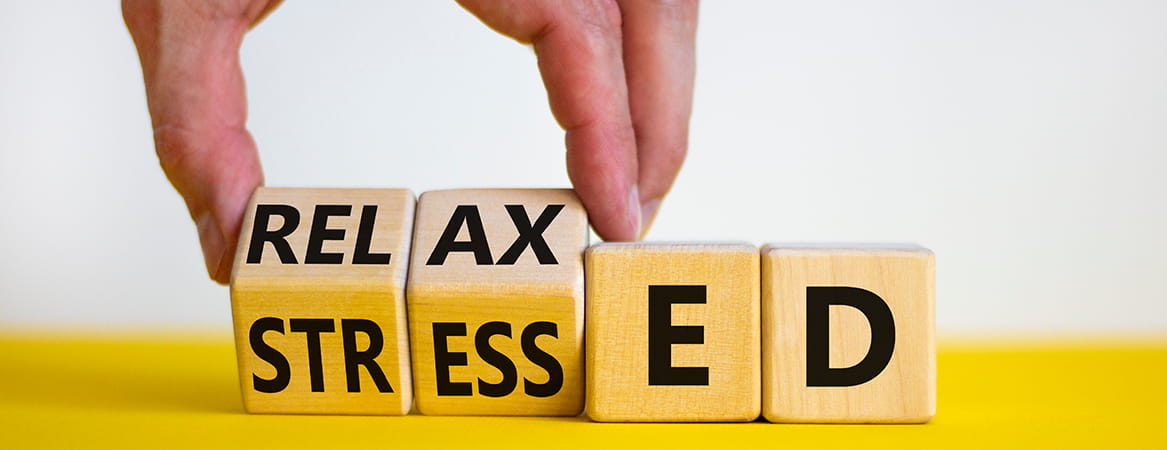
Stress Is Not the Enemy. Ignoring Recovery Is.
May 04, 2026
Stress Is a Normal Response
You may hear the word "stress" and immediately think of something harmful or something you should eliminate. In reality, stress is a normal biological response that helps you stay alert, focused and responsive to daily demands. Your body is designed to handle stress in short bursts. It activates quickly when needed, then settles once the challenge passes. What causes harm is not stress itself, but repeated stress without adequate recovery afterward. When the body does not get the chance to reset, the stress response stays active longer than intended, which slowly wears down your energy, sleep quality and emotional balance.
When Stress Becomes a Problem
Throughout the day, stress shows up in many forms. It may come from work demands, constant connectivity, heat, overstimulation or mental overactivity. Each of these activates the body's stress response, even if you do not notice it happening. When recovery does not follow, stress hormones remain elevated and the body stays in a state of alertness. This is part of how work stress can follow you home and continue affecting your wellbeing long after the workday ends. Over time, this pattern can affect sleep, mood, energy and overall wellbeing. You may feel more irritable, more tired or less patient, not because stress is "too strong," but because recovery has not been given enough space.
Why Recovery Is Often Missed
Recovery is often misunderstood as stopping activity or doing nothing. In reality, recovery is an active process. It requires clear signals that it is safe for the body to slow down. Busy schedules, screens and blurred boundaries make it easy to move from one demand to the next without allowing the stress response to fully settle. When this happens, the body remains in a low level state of readiness instead of repair. You may feel like you are "always on," even during moments that should feel restful. This is not a personal failure. It is a sign that your nervous system has not received the cues it needs to shift into recovery mode.
What Real Recovery Actually Looks Like
Recovery happens when the nervous system receives consistent signals of calm and safety. Research shows that effective recovery often includes a combination of physical, mental and environmental cues. These cues help the body transition from alertness to restoration.
A clear end to stimulation. Quiet moments without screens, conversations or decisions allow stress hormones to settle. Even a few minutes of silence can help the nervous system shift gears.
Gentle physical release. Slow walking, stretching or light movement helps the body let go of stored tension. These activities tell the brain that the immediate demand has passed.
Predictable routines. Repeating the same wind down habits teaches the body when it is safe to slow down. Consistency helps the nervous system transition more easily.
Mental closure. Writing down unfinished thoughts or tasks helps the mind stop holding them open. This reduces mental load and prevents rumination from carrying into the evening.
Recovery does not need to be long to be effective. It needs to be intentional. Even short periods of true disengagement can reduce stress and restore energy.
The Medical Perspective: When Stress Affects Health
Although stress is normal, long periods without recovery can begin to affect physical and emotional health. The body is not meant to stay in a constant state of alertness. When it does, several systems can be affected, including sleep, digestion, concentration, immunity and emotional regulation. You may notice that you get sick more often, feel more reactive or struggle to focus. These changes do not mean something is wrong with you. They mean your body has been working without enough time to repair.
Common signs that stress is affecting health include:
- Persistent fatigue even after rest
- Difficulty sleeping or waking up unrefreshed
- Frequent headaches, muscle tension or stomach discomfort
- Feeling overwhelmed, irritable or emotionally sensitive
- Trouble concentrating or remembering details
- Loss of interest in activities that normally feel enjoyable
These are part of the early signals the body sends when it is under stress, not a sign of weakness.
When to Seek Medical Help
Most stress related symptoms improve with rest, better boundaries and consistent recovery habits. However, there are times when it is important to reach out to a healthcare professional. Seeking help is not a sign that you "failed to cope." It is a responsible step toward protecting your health.
You should seek medical help if:
- Sleep problems persist for several weeks
- You experience frequent headaches, dizziness or heart palpitations
- Mood changes become severe or begin affecting daily functioning
- You feel constantly overwhelmed or unable to slow down
- You notice significant changes in appetite, energy or motivation
- Stress begins to interfere with work, relationships or daily tasks
If you ever feel unsure, it is always appropriate to check in with a healthcare professional. Early support helps prevent small issues from becoming bigger challenges.
A Final Reminder
Stress does not mean something is wrong with you. It means your body is responding exactly as it was designed to. What matters is giving yourself permission to recover. When recovery becomes part of daily life, stress loses its power to overwhelm. You regain clarity, steadiness and the ability to handle challenges without feeling depleted.