
At 102, A Second Chance at Life: How a Groundbreaking Heart Procedure Helped One Senior Patient Beat the Odds
May 05, 2026
- The minimally invasive procedure offers patients with atrial fibrillation (irregular heartbeat) an alternative to blood thinners, especially older adults for whom long-term use may be riskier.
- Atrial fibrillation is emerging as a significant health burden in Saudi Arabia, amid high rates of obesity, hypertension, and diabetes along with a steadily growing older population.
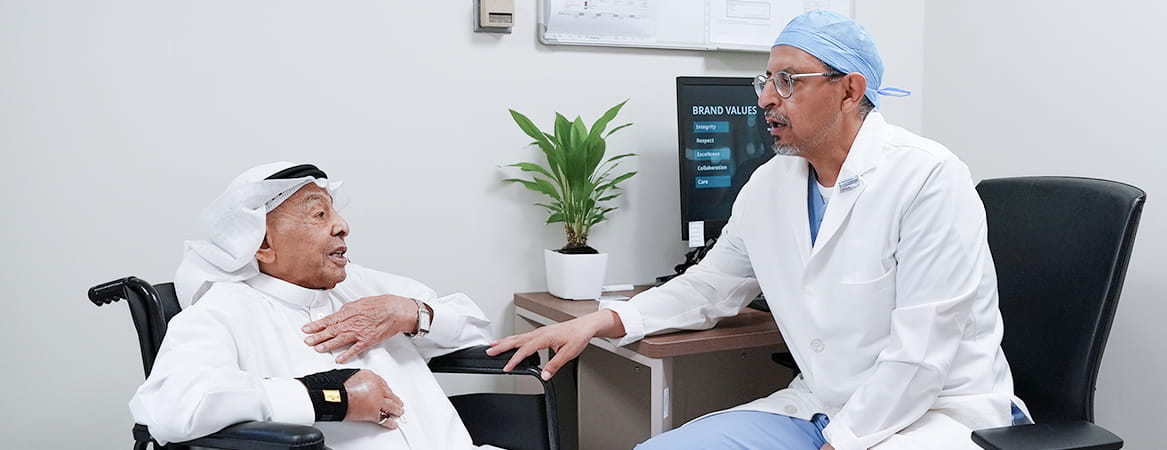
Dhahran, Saudi Arabia: At 102 years old, most people would be told to slow down. But for one patient at Johns Hopkins Aramco Healthcare (JHAH), doing nothing was no longer an option.
Living with atrial fibrillation (AF), a condition that causes an irregular heartbeat, Mr. Ahmed Alzayer had already suffered a stroke. The medication, which was meant to protect him from another one, blood thinners, began to pose a serious threat of its own. Repeated internal bleeding led to severe anemia and multiple hospital visits, leaving doctors and family facing an increasingly difficult question: what happens when the standard treatment is no longer safe?
For the care team at JHAH, the answer lay in a different approach.
After careful evaluation by a multidisciplinary team and close discussions with the patient’s family, doctors recommended a WATCHMAN™ Left Atrial Appendage Closure (LAAC) procedure, a minimally invasive, one-time treatment designed to reduce stroke risk in patients with AF who cannot safely remain on long-term blood thinners.
While widely used around the world, performing the procedure on a patient over 100 is exceptionally rare.
“What made this case remarkable was not just the complexity, but the question of whether age should limit access to treatment,” said Dr. Saad Alhasaniah, Cardiology Consultant at JHAH. “In older patients such as Mr. Ahmed Alzayer, we often take a more conservative approach when risks are high. But in this case, doing nothing carried even greater risks. It became clear that a carefully tailored intervention could offer a better outcome.”
The procedure was completed successfully and without complications. Within 24 hours, the patient was able to return home.
More importantly, the impact has been lasting. Since undergoing the procedure, he has avoided further hospital admissions related to bleeding, while significantly reducing his risk of another stroke, without the need for ongoing blood thinners.
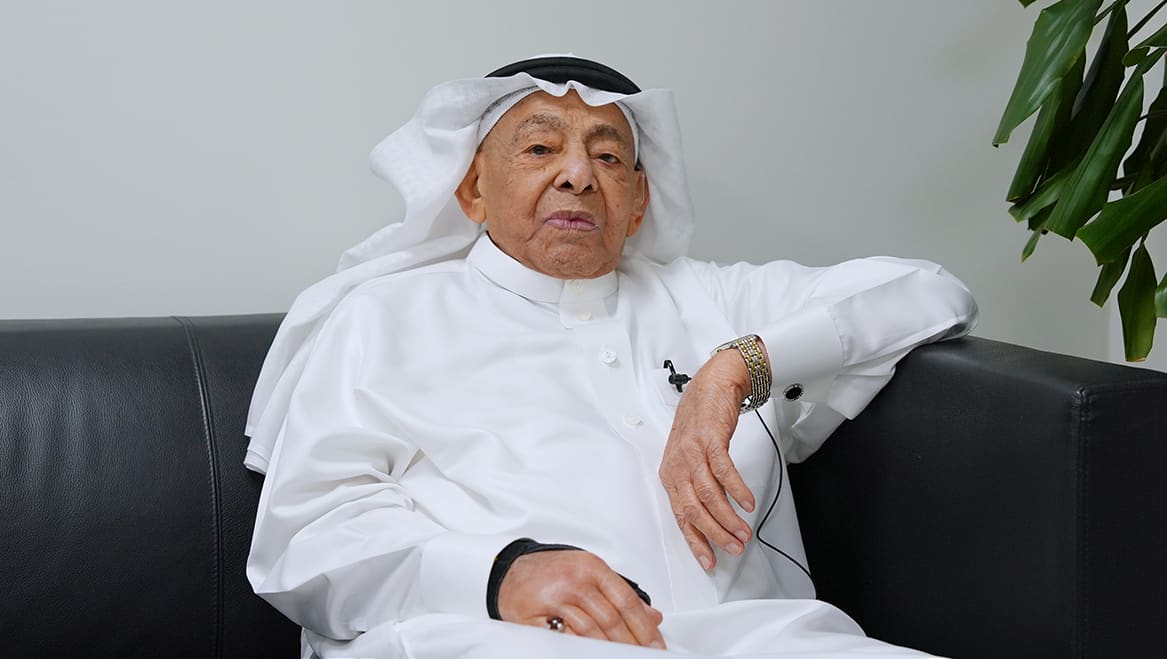
“When you reach my age, it is easy to assume that certain treatments are no longer meant for you, or that the risks outweigh what you have left to gain. My experience has shown me otherwise, said Mr. Ahmed Alzayer.
I am grateful to the doctors who guided me through this with such care and honesty, and I hope my story encourages others to have open conversations with their own physicians about what may still be possible for them,

Cases like this are becoming increasingly relevant in Saudi Arabia, where atrial fibrillation is emerging as a growing health concern. High rates of obesity, hypertension, and diabetes, combined with a growing older population, are contributing to a rising number of patients facing complex cardiovascular risks.
For many, particularly older adults, long-term use of blood thinners can introduce additional complications, making alternatives like the Watchman procedure an important option.
At JHAH, this case reflects a broader shift toward more personalized, patient-centered care, where decisions are guided not just by age or convention, but by what offers the best possible quality of life.
For one 102-year-old patient, it meant the chance to return home, safer and stronger - proving that even at a century old, it is never too late for a second chance.